Get Lawn Irrigation Installation
Local contractors can install sprinkler systems, drip lines, and controllers to ensure your lawn stays healthy and properly watered.
Proper lawn irrigation is essential for maintaining a healthy and vibrant landscape. Property owners in the area often explore irrigation installation services to ensure their lawns receive consistent and efficient watering, especially during dry periods or hot seasons. Whether planning a new landscape or upgrading an existing system, understanding local options can help in making informed decisions that suit the specific needs of the property.
By comparing services offered by local contractors, property owners can find solutions tailored to their outdoor space. These professionals can assist with designing and installing irrigation systems that promote healthy growth and conserve water. Continuing to explore available options can lead to a well-maintained lawn that enhances the property's overall appearance and value.
- Residential lawn irrigation - homeowners seeking to establish or upgrade their yard watering systems.
- Commercial irrigation installation - businesses needing efficient watering solutions for larger outdoor spaces.
- New landscape irrigation setup - individuals installing new lawns or gardens that require an automated watering system.
- Retrofitting existing irrigation - property owners updating outdated or inefficient sprinkler systems.
- Custom irrigation system design - clients wanting tailored solutions to meet specific landscaping needs.
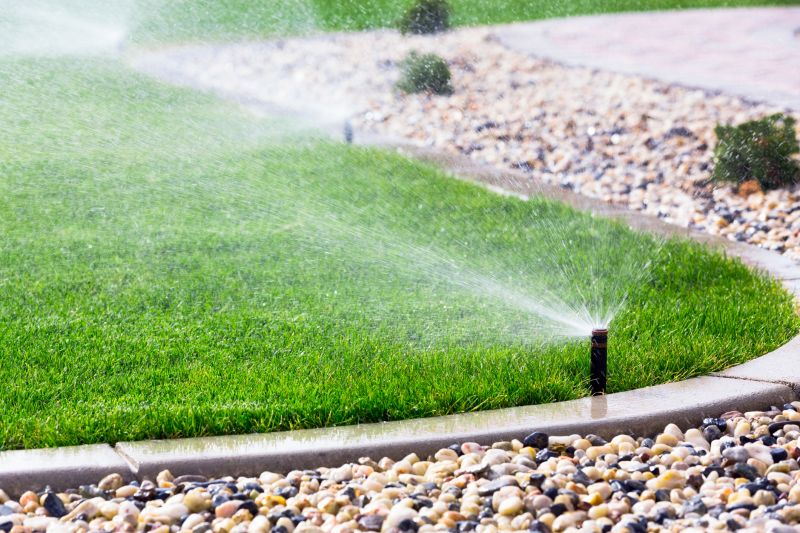
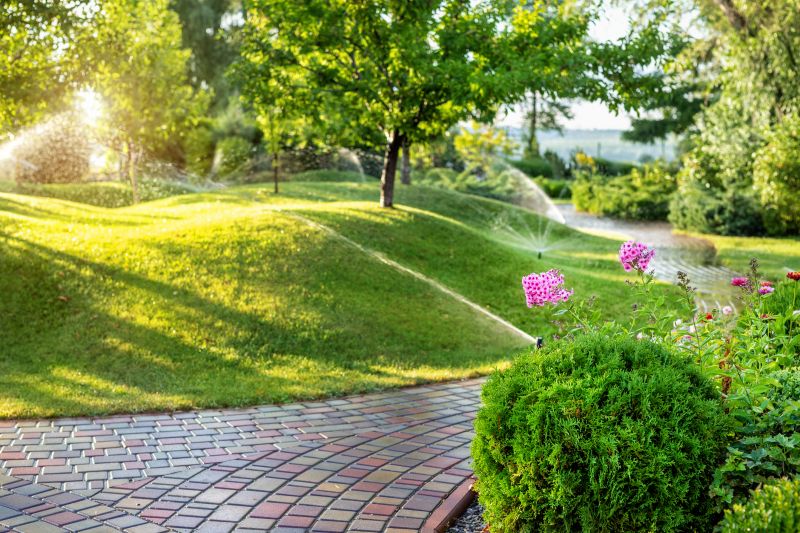
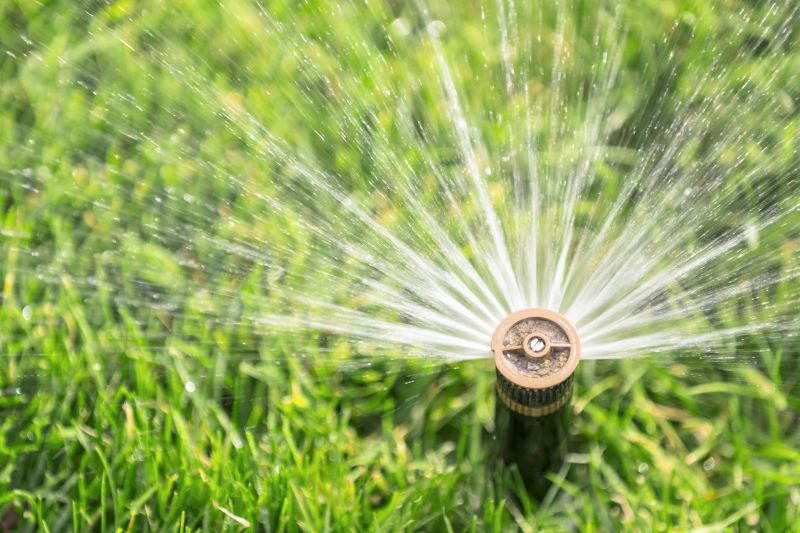
Lawn irrigation installation services involve setting up an automated watering system designed to keep lawns and gardens consistently healthy and green. These systems typically include underground piping, sprinkler heads, controllers, and sensors that work together to deliver water efficiently across the property. Professional installers assess the landscape to determine the best placement for sprinklers, ensuring even coverage and optimal water usage. This service helps homeowners maintain a lush, vibrant yard without the hassle of manual watering or worrying about over- or under-watering.
One of the primary issues that lawn irrigation installation addresses is uneven watering, which can lead to patchy grass, dry spots, or overly saturated areas. It also helps prevent the inconvenience of manually watering the yard, saving time and effort while promoting healthier plant growth. For properties with irregular terrain, large lawns, or gardens with multiple planting zones, a properly designed irrigation system ensures consistent moisture levels. Additionally, these systems can be programmed to water during optimal times, reducing water waste and supporting the overall health of the landscape.
Lawn irrigation systems are commonly used on residential properties, including single-family homes, townhouses, and larger estate-style yards. They are also suitable for commercial properties such as apartment complexes, parks, and sports fields where maintaining a well-kept appearance is important. Properties with limited manual watering capacity or those seeking to improve water efficiency often benefit from professional installation of these systems. Whether the yard is small or expansive, a tailored irrigation solution can help keep outdoor spaces lush and healthy year-round.
Hiring local contractors for lawn irrigation installation ensures the system is properly designed and installed to meet the specific needs of the property. These service providers evaluate factors like soil type, sun exposure, and plant types to recommend the most effective sprinkler arrangements and watering schedules. Proper installation helps prevent common problems such as leaks, clogged nozzles, or uneven coverage, which can compromise the system’s performance. Homeowners considering an irrigation system can contact local pros to explore options that fit their landscape and watering goals, ensuring a reliable and efficient solution.
The overview below groups typical Lawn Irrigation Installation projects into broad ranges so you can see how smaller, mid-sized, and larger jobs often compare in your area.
In many markets, a large share of routine jobs stays in the lower and middle ranges, while only a smaller percentage of projects moves into the highest bands when the work is more complex or site conditions are harder than average.
Smaller Repairs - fixing leaks or replacing a few sprinkler heads typically costs between $250 and $600. Most routine repairs fall within this range, depending on the extent of the work needed.
Partial System Installations - adding new zones or upgrading parts of an existing system usually ranges from $1,000 to $3,000. Many projects in this category stay within this band, with fewer reaching higher costs for larger areas.
Full System Installation - installing a complete irrigation system for a standard yard can cost between $3,000 and $5,000. Larger or more complex landscapes may push costs above this range, but most fall within the middle tiers.
Complete System Replacement - replacing an entire irrigation setup often ranges from $4,500 to $8,000 or more. Such projects are less common and tend to be at the higher end of the cost spectrum due to size and complexity.
Actual totals will depend on details like access to the work area, the scope of the project, and the materials selected, so use these as general starting points rather than exact figures.
Sprinkler System Design - involves planning and installing automated watering systems that require knowledge of landscape layout and irrigation principles similar to lawn irrigation projects.
Underground Pipe Installation - includes trenching and laying piping networks, a skill set closely related to installing irrigation lines underground.
Drainage System Installation - focuses on managing water flow and soil conditions, which complements the planning and execution skills used in irrigation setups.
Landscape Lighting Setup - requires electrical wiring and planning around outdoor spaces, sharing tools and spatial planning with irrigation system installation.
Soil Preparation and Grading - involves preparing land for planting or turf, requiring site assessment and groundwork skills similar to irrigation system groundwork.
Water Feature Construction - includes building ponds or fountains, involving plumbing and landscape planning skills akin to those used in irrigation system installation.
When comparing local contractors for lawn irrigation installation, it’s important to consider their experience with similar projects. Homeowners should look for service providers who have a proven track record of installing irrigation systems in properties comparable to their own, whether in size, landscape type, or complexity. An experienced contractor is more likely to understand local soil conditions, water pressure considerations, and the best practices for ensuring a reliable and efficient irrigation setup. Gathering information about their past work can help homeowners assess whether a particular contractor has the relevant expertise to handle the specific needs of their landscape.
Clear, written expectations are essential when evaluating potential service providers. Homeowners should seek contractors who can provide detailed proposals outlining the scope of work, materials to be used, and the installation process. Having these details in writing helps prevent misunderstandings and ensures that both parties are aligned on project goals. It’s also beneficial to ask how the contractor plans to address any potential challenges that might arise during installation, such as underground obstructions or existing landscape features, so expectations are transparent from the start.
Reputable references and effective communication are key indicators of a dependable service provider. Homeowners are encouraged to ask contractors for references from previous clients with similar projects and to follow up with those references to learn about their experiences. Good communication throughout the process-such as prompt responses to questions and clarity about the work involved-can significantly impact the overall experience. While the site introduces homeowners to local options, it’s important to remember that the actual installation work is handled by qualified service providers. Comparing these aspects can help ensure that the chosen contractor is well-equipped to deliver a successful irrigation system installation.
Property owners use Lawn Irrigation Installation services for practical projects around their homes and businesses. This guide focuses on everyday jobs and straightforward project options.
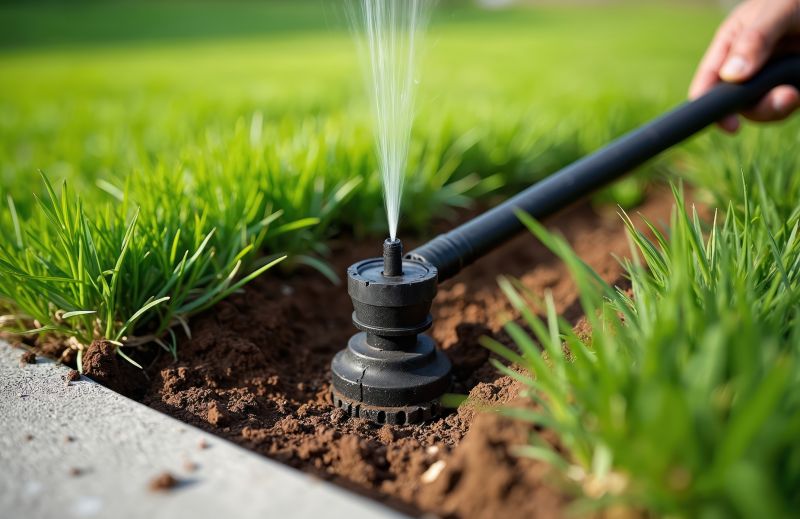
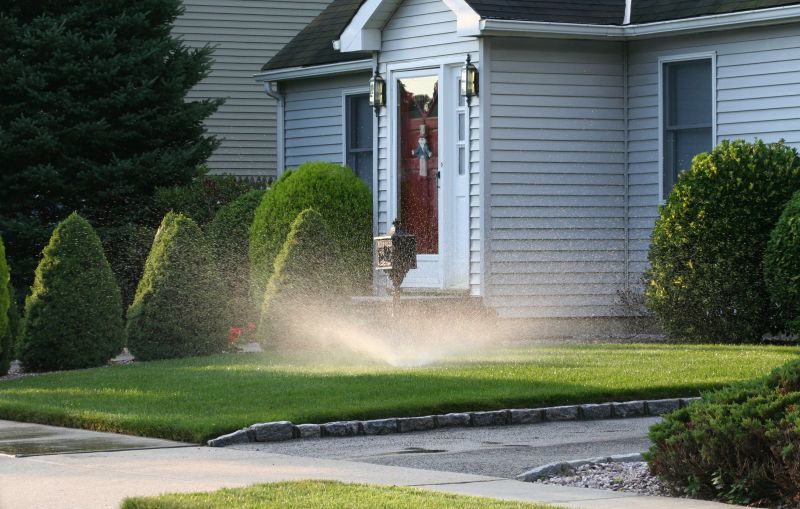
Lawn irrigation installation is a common project for property owners looking to keep their lawns lush and healthy with minimal effort. Many local residents seek out professional service providers when installing or upgrading sprinkler systems to ensure even watering coverage and efficient water use. Whether preparing a new landscape or replacing an aging system, property owners often turn to local contractors who have experience working with different yard layouts and watering needs.
In addition, property owners may look for irrigation services to address issues like dry patches, uneven watering, or system failures that can affect the appearance and health of their lawns. Local pros can help design and install systems that fit the specific requirements of each property, making it easier to maintain a vibrant outdoor space. Connecting with experienced service providers helps ensure that irrigation projects are completed properly and effectively.
What is involved in installing a lawn irrigation system? Installation typically includes assessing the landscape, designing an appropriate system, laying out pipes and sprinkler heads, and connecting the system to a water source. Local contractors handle these steps to ensure proper coverage and functionality.
Can a new irrigation system be integrated with existing landscaping? Yes, experienced service providers can design and install irrigation systems that work seamlessly with existing landscaping features, ensuring efficient watering without damaging plants or structures.
What types of irrigation systems are available for residential lawns? Common options include sprinkler systems, drip irrigation, and soaker hoses. Local contractors can recommend the best type based on yard size, plant types, and watering needs.
Is it possible to customize an irrigation system for different zones in a yard? Yes, many irrigation systems can be divided into zones to allow for tailored watering schedules, which local service providers can set up to optimize water use across various areas.
How do local contractors ensure proper coverage and water efficiency? They evaluate the landscape, plan sprinkler placement, and adjust system components to maximize coverage while minimizing water waste, ensuring the system meets specific yard requirements.
Automated Lawn Watering - Installing a sprinkler system helps ensure the lawn receives consistent watering, reducing manual effort and promoting healthy grass growth.
Water Conservation Strategies - Local contractors can design irrigation systems that optimize water use, helping property owners manage resources effectively.
Seasonal Adjustments - An irrigation system can be programmed to adjust watering schedules based on seasonal changes, maintaining a lush yard year-round.
Landscape Integration - Properly installed systems can be integrated with existing landscaping features for efficient coverage and minimal disruption.
If you are thinking about Lawn Irrigation Installation for a property, this guide is meant to help you understand the work, the typical project types, and how different options might fit your plans.
When you are ready, you can use the quote form on this page to share a few details about your project. From there, local pros can review the basics and respond with options that match what you have in mind.